
A full-grain leather wallet is one of the most natural buy-it-for-life purchases there is: used daily, built simply, made of a material that improves with age, and repairable when the decades ask for it. “Buy it for life” names a way of buying rather than a category of products: choosing fewer objects, better made, kept for decades. A wallet meets every criterion of that philosophy, provided the leather and the construction are right.
What does “buy it for life” actually mean?
The phrase comes from communities of enthusiasts who compare, over years, the objects that truly last: boots, tools, pans, bags, wallets. Their method is patient and empirical: buy once, use daily, report back a decade later.
Three criteria come up constantly in those long-term verdicts. The material must be solid, the same to its core, so that use polishes it instead of wearing through a surface. The construction must be simple and strong: fewer seams done better, no fragile mechanism. And the object must be repairable: what can be repaired can be kept.
It is a quiet philosophy, and an old one. Our grandparents practised it without a name for it.
Why does a wallet fit the philosophy so well?
Because it concentrates everything buy-it-for-life values. It is used constantly: several times a day, thousands of times a year, so the difference between an object of passage and an object that lasts is felt quickly and daily. It is structurally simple: leather, thread, cut and assembly, with nothing to break. And when it is made of full-grain leather, its material belongs to the small family that improves with age, as we detail in Materials That Age Well.
The arithmetic follows. A 120 dollar full-grain wallet carried fifteen years comes to eight dollars a year, for an object touched every day. Carried twenty years, which full-grain leather permits, the figure drops further. Few purchases spread their value over so many gestures.
What should you check before buying for life?
Four things, all visible before purchase. The leather: full-grain, dyed in depth, with the natural grain left visible; this is the surface that develops a patina instead of wearing out, the subject of How Long Does a Full-Grain Leather Wallet Last? The construction: regular stitching, burnished edges, slots at the right tension; the gestures we describe in What Is Saddle Stitching? The design: a form simple enough to be right in twenty years; timeless is a construction discipline before being a style. The repairability: a seam that can be redone, edges that can be revived.
A fifth, less measurable, decides the rest: choose an object you will enjoy taking out of your pocket for two decades. This is where colour enters; our Color Edit is there to help.
Built in that spirit
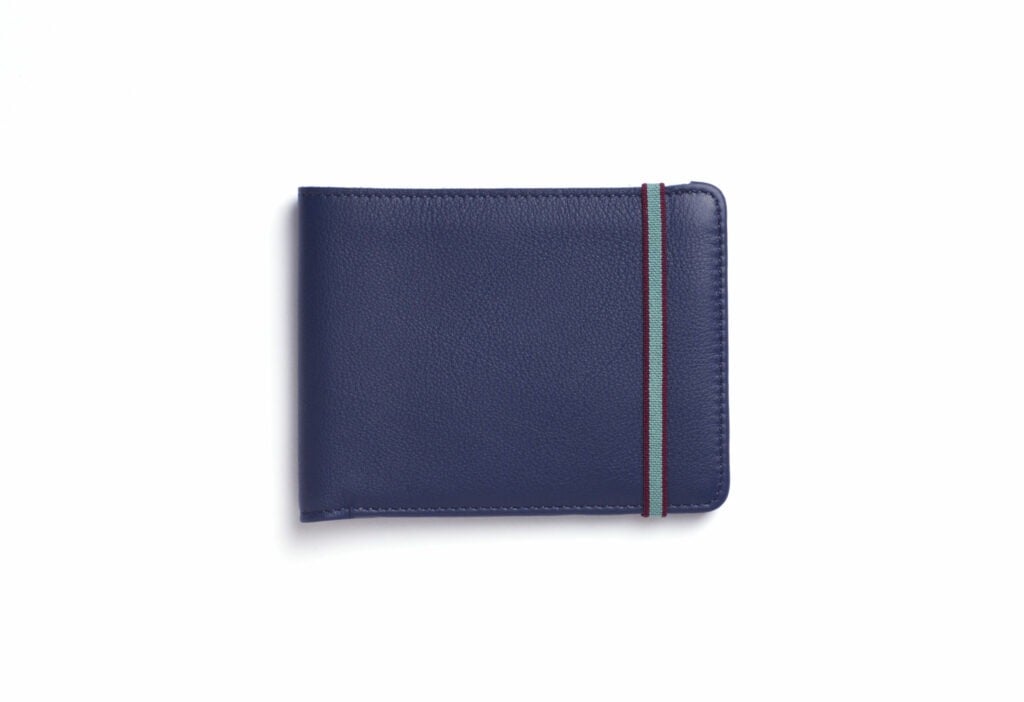
Carré Royal makes wallets, card holders and mini bags the buy-it-for-life way, without having needed the phrase: full-grain taurillon leather selected hide by hide from European tanneries, hand-finished stitching and edges, forms designed to be right for decades, and eight colours whose depth grows with the years. Our wallets are conceived to be bought once, and kept.
The philosophy asks patience of the object. The object, in return, asks only to be used.
FAQ
What does buy it for life mean?
A way of buying: fewer objects, better made, kept for decades. The criteria are a solid material, simple strong construction, and repairability.
Is a leather wallet a good buy-it-for-life purchase?
One of the best: daily use, structural simplicity, a material that improves with age, and repairs possible decades later. Full-grain leather is the material that makes it true.
How much does a buy-it-for-life wallet cost per year?
A 120 dollar full-grain wallet carried fifteen years comes to eight dollars a year; carried twenty, less still. The value spreads over thousands of daily gestures.
What should I check before buying a wallet for life? Full-grain leather dyed in depth, regular stitching, burnished edges, a simple timeless form, and the possibility of repair.
Can a leather wallet really last twenty years? Yes, with simple care: full-grain leather lasts ten to twenty years of daily use and often more, developing a patina rather than wearing out.
