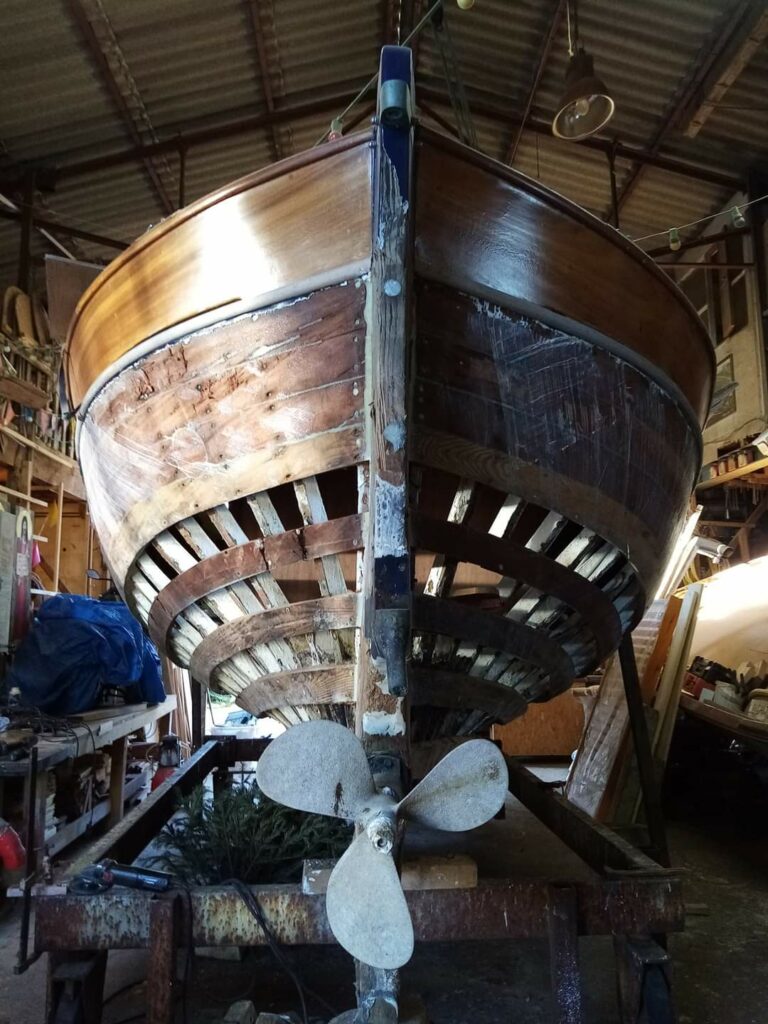
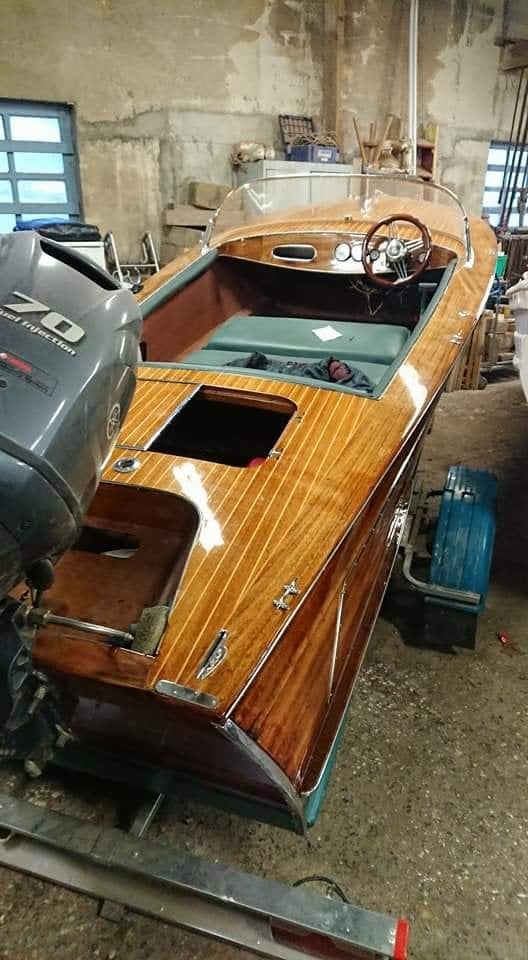
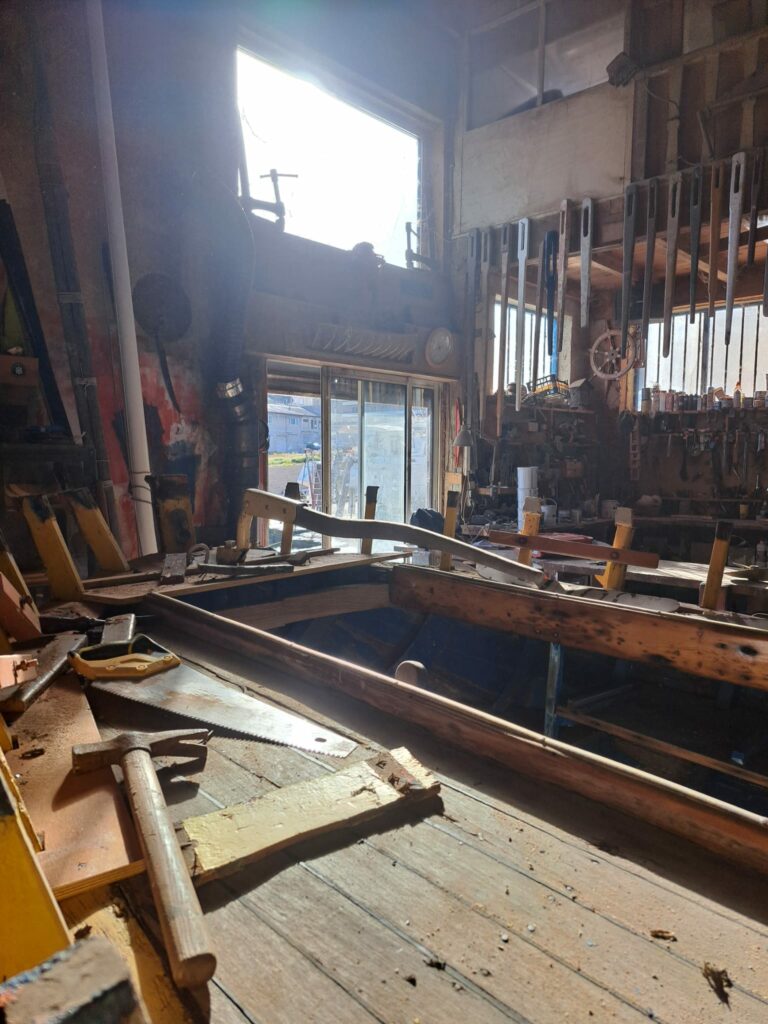
Denis Borg welcomes me to the Borg shipyard. He’s a marine carpenter and keeps this craft alive.
To discover the Borg shipyard is to meet a part of Marseille’s history—its maritime heritage.
It’s also like stepping into a magical place: scents, colors, materials, and distinctive textures. It reminds me of our workshop— or the workshops of our subcontractors.
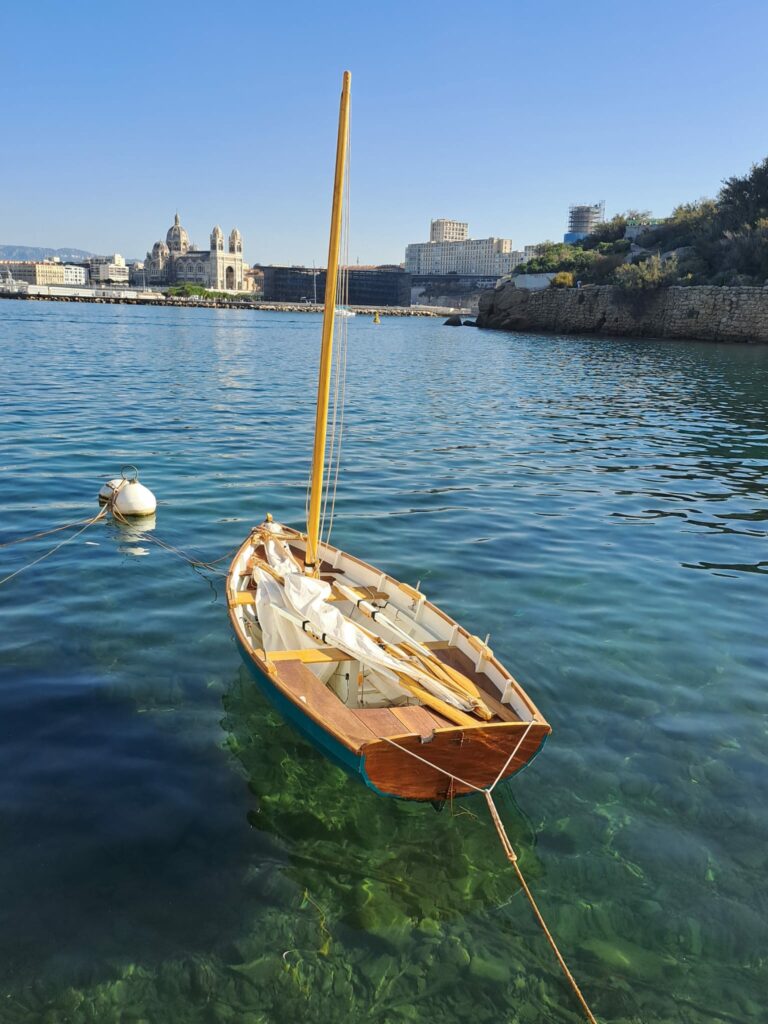

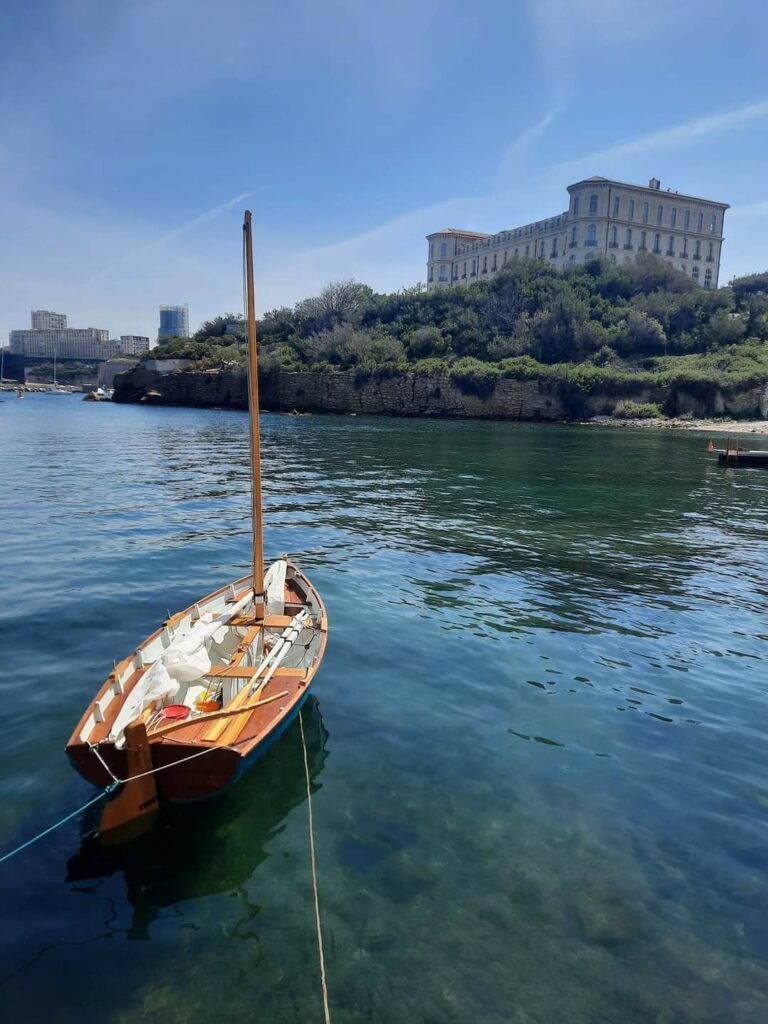
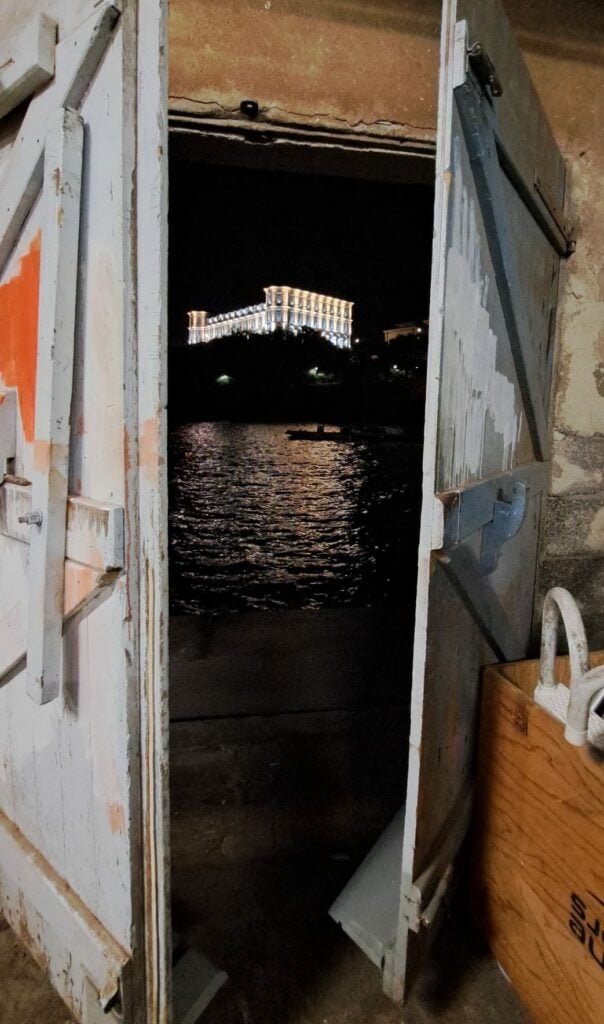
The shipyard is located in an exceptional, calm setting in the Anse du Pharo, with a view of the Old Port and the La Major cathedral.
Denis’s family arrived in Marseille in 1956 from Tunisia, where his grandfather already owned a shipyard.
He talks about a very physical manual trade—almost like “body expression,” learned over a long time, using techniques and tools that are over 2,600 years old.
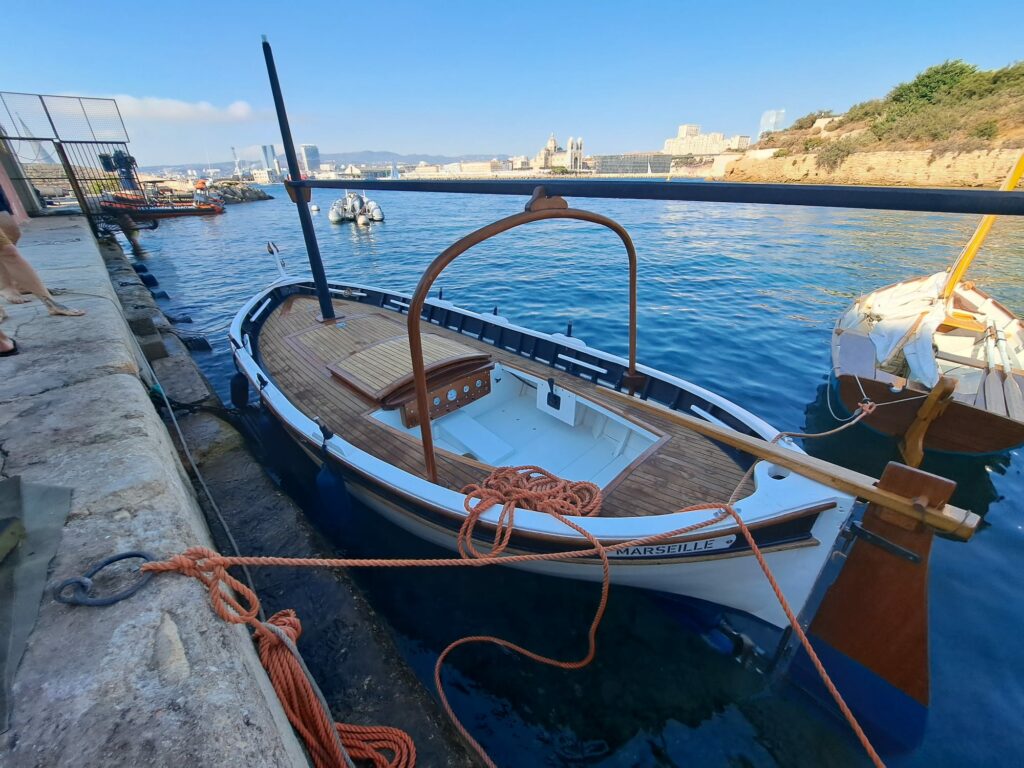
The Marseille Rowboat (Barquette Marseillaise)
The shipyard builds and mainly renovates Marseille barquettes.
Denis first listens to the ship owners, who bring him a project.
He turns their dream into reality, especially when it comes to the interior layout. He expresses a way of life through his work with his team and their domestic woods (ashes and oaks) and exotic woods (mahogany, iroko, niangon).
Building a new barquette takes between 15 and 24 months, and costs between €150,000 and €250,000.
He talks about the challenges of getting boats made of “plastic” and the need to have space in the water (which is becoming increasingly rare). After all, the barquette can’t stay on land.
A Way of Living
His boats move slowly—at a speed of 6 or 7 knots—either under sail or with an engine.
So you’re really in the world of “slow yachting.”
Sailing these barquettes is an opportunity for sharing between generations and among friends across the Mediterranean.
Denis often reminds people that “boats knock people’s bodies around, and stabilize people’s souls.”
He also likes to emphasize the importance of aesthetics: “Whoever sees the beautiful is beautiful.”
Sometimes he feels like he’s going against the current.
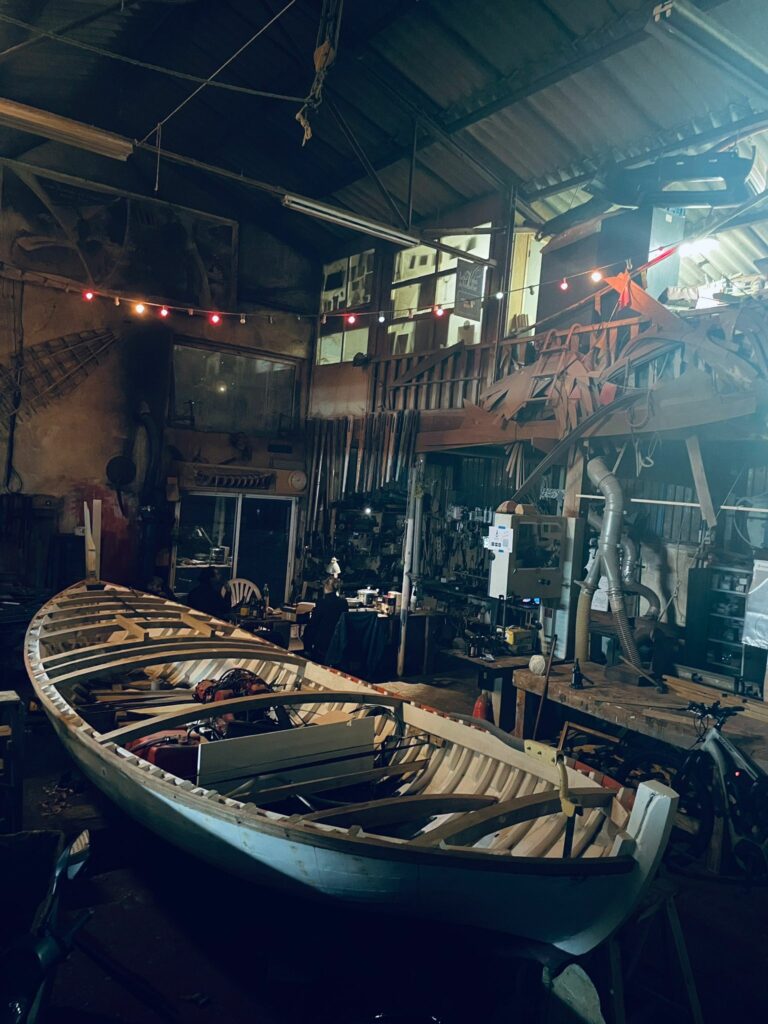
Denis shares this desire to embrace reality—the beauty of life—away from artificial things, and to savor slow time.
It’s a celebration of the poetry of living: a kind of slowness, a different relationship with time—or at least a different way of perceiving it.
Maybe it’s also a way to respond to how everything is becoming uniform, and to make room for more humanity.
Does he invite us to look at the world differently—“to live like a philosopher,” in the sense of the ancient philosophers?
This meeting—and this tenth letter—gives a chance to think about the different connections and exchanges around skills and creativity. I often feel that a kind of nobility shows up in the guardians of tradition, the people of craft—the artists, the creators.
If you’d like to learn about building barquettes and working with wood, Denis offers half-day training sessions.
I invite you to discover the shipyard website:
If you enjoyed this letter, thank you for sharing it.
The photos in this letter—and on our Instagram and Facebook pages—are by Denis Borg.
To learn more about this letter and its author, I invite you to visit our Carré Royal Letters page.
You can now find my previous letters on our website.
Pascal,

Yoga in Marseille
To discover Yoga in Marseille… go check out My Yoga Shala, especially Alexia, Amina, and Lise. Alexia is passionate about surfing and Indian culture. She teaches Ashtanga Vinyasa Yoga in a traditional way.
My Lunch Spot in Marseille: Carlotta With
I really love Charlotte’s restaurant—especially Charlotte’s Portokalopita. You can visit her website:
A Podcast About the Shipyard
A great podcast about the Borg shipyard by The Craft Project.
The photos in this letter—and on our Instagram and Facebook pages—are by Denis Borg.
To learn more about this letter and its author, I invite you to visit our Carré Royal Letters page.
If you enjoyed this letter, thank you for sharing it.